-
WhatsApp / Mob : +86 156 5177 2521
-
e-mail : mrwin@cnbangwin.com
WhatsApp / Mob : +86 156 5177 2521
e-mail : mrwin@cnbangwin.com

Liquid Oxygen Filling Station Equipment: List And Sizing
Nov 25 , 2026Liquid Oxygen Filling Station Equipment Is Ten Groups, Not One Machine. The Source, The Storage Tank, The Pump, The Vaporiser, The Analyser, The Filling Panel, The Cylinder Cooling, The Cylinders, The Controls And The Commissioning Kit All Have To Be Bought, And Suppliers Usually Price Only Some Of Them.
A Complete Station Contains:
1. Oxygen Source. Either a Cryogenic Air Separation Unit That Produces Liquid Oxygen On Site, Or Purchased Liquid Oxygen Delivered To Your Tank, Or Gaseous Oxygen From a Psa Plant Feeding a Booster.
2. Vacuum-Insulated Liquid Oxygen Storage Tank, With Pressure Build-Up And a Relief Device Sized For The Heat In-Leak.
3. Cryogenic Liquid Pump, Which Raises The Liquid To Filling Pressure Without Vaporising It First.
4. Vaporiser, Usually An Ambient Air Type, Which Returns The Pressurised Liquid To Gas At The Filling Temperature.
5. Analyser And Sampling Point, Which Proves Product Purity At The Filling Manifold Rather Than At The Tank.
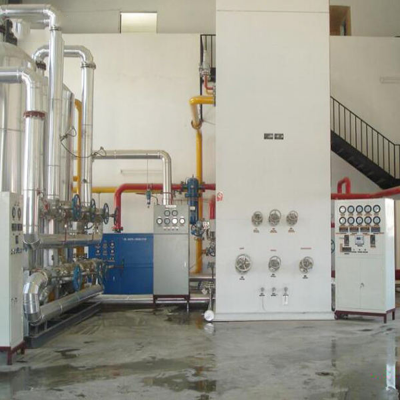
6. Filling Panel Or Bench, With Individual Needle Valves, a Pressure Gauge Per Position, Check Valves And a Vent Line.
7. Cooling Arrangement For The Cylinders, Typically Water Spray Or a Cooled Filling Room, Because Compression Heat Raises Cylinder Temperature During Fast Fills.
8. Cylinders, Valves And Burst Discs That Are Rated For Oxygen Service And Cleaned For Oxygen Service Before First Use.
9. Controls And Instrumentation: Pressure Switches, High-Pressure Venting, Emergency Isolation And, Where The Station Runs From An Air Separation Unit, a Link To The Plant Control System.
10. Commissioning And Test Kit: Calibrated Pressure Gauges, a Leak Test Arrangement, a Scale For Weight-Based Filling Checks And The Calibration Gas For The Analyser.
When Liquid Oxygen Filling Station Equipment Is Quoted As One Package, The Most Frequent Gap Is Item 7 And Item 10. Both Are Inexpensive, And Both Decide Whether The Station Can Be Accepted Safely Rather Than Argued About Later.
Pump The Liquid When You Already Produce Or Buy Liquid Oxygen And Need High Purity And Throughput. Boost Gas When You Already Own a Psa Plant, Or When Volumes Are Modest And The Purity Requirement Is Industrial Rather Than Medical.
|
Route |
Feed |
Typical Product Purity |
Pressure Source |
Best Fit |
|
Liquid Pumping |
Stored Lox |
About 99.5% To 99.6% O2 From a Cryogenic Plant |
Cryogenic Pump Plus Vaporiser |
High Throughput, High Purity, Existing Plant Or Bulk Delivery |
|
Gas Boosting |
Gaseous Oxygen At Low Pressure |
Psa Oxygen Commonly 90% To 96%; Cryogenic Gas About 99.6% |
Oil-Free Oxygen Booster Compressor |
Existing Psa Plant, Moderate Volumes, Pipeline-Fed Boosting |
|
Hybrid |
Plant Gas Plus Booster, Or Lox Plus Pump With a Booster Trim |
Set By The Source |
Both |
A Station That Must Keep Filling While One Unit Is Down |
The Manufacturer Publishes An Oil-Free Oxygen Booster Compressor Specification That Shows How The Boosting Route Is Scaled:
|
Unit |
Volume Range |
Inlet Pressure |
Outlet Pressure |
Configuration |
Cooling |
|
1 |
1 To 3 m³ |
0.3 To 0.4 Mpa |
15 Mpa |
2 Lines, 4 Stages, Vertical |
Air |
|
2 |
4 To 12 m³ |
0.3 To 0.4 Mpa |
15 Mpa |
2 Lines, 4 Stages, Vertical |
Air |
|
3 |
13 To 40 m³ |
0.3 To 0.4 Mpa |
15 Mpa |
3 Lines, 3 Stages, W Type |
Water |
|
4 |
13 To 60 m³ |
0.2 To 0.4 Mpa |
15 Mpa |
2 Lines, 4 Stages, Vertical |
Water |
|
5 |
40 To 80 m³ |
0.2 To 0.4 Mpa |
15 Mpa |
4 Lines, 4 Stages, S Type |
Water |
|
6 |
80 To 120 m³ |
0.2 To 0.4 Mpa |
15 Mpa |
4 Lines, 4 Stages, S Type |
Water |
Two Reading Notes. The Published Column Is Headed "Volume" Without a Time Unit, So Confirm Whether It Describes Free Air Flow In m³/h Or Another Basis Before You Select a Machine. The Outlet Figure Of 15 Mpa Corresponds To 150 Bar, Which Suits Standard High-Pressure Cylinders; Where a Market Fills To 200 Bar, Ask For The Matching Stage Count And Relief Settings Instead Of Assuming The Same Machine Applies.
Purity Decides Which Class Of Liquid Oxygen Filling Station Equipment You Need As Much As Volume Does. A Psa-Fed Line Delivers Roughly 90% To 96% Oxygen, Which Suits Cutting And Most Industrial Duties, While a Cryogenic Source Reaches About 99.6%. Medical Cylinder Filling Has To Satisfy The Applicable Pharmacopoeia And The Registration Route In Your Country, Which Normally Rules Out a 93% Psa Product For That Duty.
Convert Cylinders Into Gas Volume, Add The Losses, Then Divide By Productive Hours. The Arithmetic Below Is The One The Published Table Uses, And It Reproduces That Table Exactly.
A Cylinder's Gas Content Is Its Water Capacity Multiplied By The Fill Pressure, Expressed As Free Gas. A 40 Litre Cylinder Filled To 150 Bar Therefore Holds Roughly 6 Cubic Metres Of Gas. This Is Why Cylinder Specifications In This Market Are Often Labelled By Free Gas Volume, 6 m³ Or 10 m³, Rather Than By Water Capacity.
The Manufacturer Publishes a Filling-Rate Table With Its Psa Oxygen Plant Range, And The Columns Reconcile Arithmetically:
|
Model |
Flow Rate, Nm³/h |
Purity, % |
Skid Size, Cm |
Cylinders (6 m³) Per 8 h |
Cylinders (10 m³) Per 8 h |
|
Bwo-3 |
3 |
93 To 96 |
120 × 120 × 180 |
4 |
2 |
|
Bwo-5 |
5 |
93 To 96 |
120 × 120 × 200 |
7 |
4 |
|
Bwo-10 |
10 |
93 To 96 |
160 × 150 × 215 |
13 |
8 |
|
Bwo-20 |
20 |
93 To 96 |
180 × 170 × 255 |
26 |
16 |
|
Bwo-30 |
30 |
93 To 96 |
190 × 170 × 260 |
40 |
24 |
|
Bwo-50 |
50 |
93 To 96 |
210 × 200 × 275 |
67 |
40 |
|
Bwo-100 |
100 |
93 To 96 |
550 × 155 × 320 |
133 |
80 |
|
Bwo-150 |
150 |
90 To 95 |
600 × 180 × 350 |
200 |
120 |
|
Bwo-200 |
200 |
90 To 95 |
660 × 200 × 370 |
267 |
160 |
Check The Table Once And You Can Extend It To Anything, And The Same Formula Is The Fastest Sanity Check On Any Supplier Brochure. For Bwo-200: 200 Nm³/h Multiplied By 8 Hours Is 1,600 m³ Of Oxygen, Which Is 266 Cylinders Of 6 m³, Close To The Published 267. The Same 1,600 m³ Divided By 10 m³ Is 160, Matching The Published 160. Every Other Row Reproduces With The Same Formula, Which Tells You The Table Is a Clean Volumetric Calculation Rather Than Measured Plant Data.
One Unit Warning Before You Use The Table. Its Flow Column Is Published In Nm³/h, a Volume Referenced To 0 °C, While The Cylinder Columns Are Labelled In Cubic Metres. If Those Cylinder Volumes Are Referenced To 15 °C Instead, The Same Gas Occupies About 5.5% More, So a Station Sized From The Table Can Be Short By Roughly One Cylinder In Eighteen. State One Basis For Both Columns, As Set Out In The Capacity Reference Article.
That Distinction Matters When You Use It. The Figures Assume Every Produced Cubic Metre Reaches a Cylinder, With No Venting, No Residual Pressure Left In Returned Cylinders, No Purging And No Downtime. Real Stations Lose Volume To All Four. A Practical Sizing Method:
1. Take Your Target Cylinders Per Shift And Multiply By The Free Gas Volume Of One Cylinder.
2. Add An Allowance For Residuals, Purging And Rejected Fills, Established From Your Own First Month Rather Than Borrowed From a Brochure.
3. Divide By Productive Hours In The Shift, Not Clock Hours, So Changeovers And Quality Checks Sit Inside The Result.
4. Check The Result Against The Purity Your Market Requires, Because Purity Often Decides The Equipment Class Before Volume Does.
5. Size Pump And Vaporiser Duty Separately, Because An Oversized Source Behind An Undersized Pump Still Cannot Fill Faster.
Oil And Hydrocarbon Contamination Is The Primary Hazard, So Cleanliness, Material Selection And Relief Arrangements Matter More Than Any Performance Figure In Liquid Oxygen Filling Station Equipment.
Oxygen Does Not Burn; It Makes Other Things Burn Harder And At Lower Ignition Energy. The Consequences For The Station Are Specific:
· Wetted Parts Must Be Degreased And Kept Clean. Industry Practice Is Documented By The Compressed Gas Association In Its G-4 Oxygen Publications And The Associated Cleaning Methods Pamphlet. Confirm The Current Edition And Your National Adoption Before Citing a Standard In a Contract.
· Seals, Hoses And Lubricants Must Be Oxygen Compatible. The Published Booster Description States An Oil-Free Design With Stainless Steel Cylinders, Which Is The Correct Class For This Duty.
· Every Pressure Stage Needs Protection. The Published Compressor Notes Describe An Interstage Safety Valve On Each Stage That Releases Overpressure, And Relief Devices Must Be Set, Sealed And Tested Rather Than Merely Present.
· Filling Generates Heat. Cylinder Temperature Rise During Fast Fills Is Why Water Spray Or a Cooled Filling Room Is Normal Practice, And Why Fill Rate Is a Specification Item Rather Than An Operator Habit.
· Storage Needs Relief Sized For Heat In-Leak, Which Is The Tank Supplier's Calculation, And The Transfer Line Needs a Relief Valve Between Any Two Isolating Valves.
· Layout Needs Separation, Ventilation And a No-Oil-Grease Rule, Under The Local Fire Code That Governs Distances, Enclosure And Storage Quantities.
Confirm All Of The Above Against The Regulations Of The Country Where The Station Will Operate. Nothing In This Section Substitutes For a Local Permit Review.
The Cylinder Is Part Of The Machinery. Its Water Capacity, Working Pressure, Test Date, Valve Type And Cleanliness State Set How Fast You Can Fill, How Much You Can Sell Per Fill And Whether The Station Is Legal To Run.
In Liquid Oxygen Filling Station Equipment The Cylinder Is The Pressure Vessel, And The Panel Only Controls Flow Into It. Six Cylinder Attributes Decide The Rest Of The Line:
|
Attribute |
Why It Drives The Station |
|
Water Capacity |
Sets Gas Content Per Fill Together With Pressure, And Therefore Sets Station Throughput |
|
Working Pressure And Test Pressure |
Set Pump And Booster Outlet Settings And Relief Valve Set Pressures |
|
Valve Type And Outlet Thread |
Set The Filling Panel Connections And The Number Of Adapters You Need |
|
Residual Pressure On Return |
Determines How Much Product You Lose On Every Refill |
|
Oxygen Cleanliness State |
A Contaminated Cylinder Must Be Cleaned Before It Is Filled, Not After |
|
Test And Inspection Status |
An Out-Of-Test Cylinder Cannot Lawfully Be Filled In Most Jurisdictions |
The Company's Cylinder Manufacturing Website Is Listed Among The Reference Material For This Article At Bangwingascylinder.com, Which Covers Seamless Steel Cylinder Production And The Approval Marks The Company Claims For Them. Confirm The Current Approval Marks, Wall Thickness, Valve Configuration And Test Interval Against The Cylinder's Own Stamping And Certificate Before You Accept a Batch, Because The Cylinder, Not The Filling Panel, Carries The Pressure.
Prove Cleanliness, Prove Relief Settings, Prove Purity At The Manifold, Then Prove Throughput. Commissioning Is Where Liquid Oxygen Filling Station Equipment Is Either Proven Or Exposed.
Run These Seven Checks In Order And Record Each Result, Because Later Steps Assume That Earlier Ones Passed:
1. Cleanliness Verification. Inspect The Wetted Path Of The Pump, Vaporiser, Piping And Panel Against The Degreasing Record Issued By The Installer.
2. Leak Test At Working Pressure With An Agreed Method, On Every Joint, At Every Filling Position And At The Vent Line.
3. Relief Device Verification. Confirm Set Pressures On The Tank, The Pump Discharge, The Vaporiser Outlet And Each Compressor Stage, And Confirm That The Settings Match The Design Pressure Of The Weakest Component.
4. Isolation And Vent Behaviour Test. Close The Section Valves And Confirm That No Liquid Can Be Trapped Between Two Closed Valves Without Relief.
5. Analyser Calibration And Cross-Check. Calibrate The Oxygen Analyser With Traceable Gas And Compare It Against The Source Certificate At The Same Sampling Point.
6. Throughput Run. Fill a Planned Shift Volume And Log Cylinder Count, Fill Pressure, Fill Duration, Cylinder Temperatures And Rejected Fills.
7. Operator Sign-Off. Train On Fill Rate Limits, Leak Response, Contamination Response And Emergency Isolation, Then Record Attendance.
The Throughput Run Produces The Number That Matters Commercially: Accepted Cylinders Per Shift, Not Nameplate Cylinders Per Shift. Keep The Log, Because It Becomes The Baseline For The Next Capacity Question You Have To Answer. The Log Is Also What You Will Rely On When a Second Line Is Proposed, Because Liquid Oxygen Filling Station Equipment Is Easy To Under-Specify On The First Pass And Expensive To Retrofit On The Second.
The Station Is Sold Piece By Piece, So No Single Page On The Site States The Full Equipment List, And Several Component Pages Publish No Parameters At All.
Specific Gaps Found While Writing Liquid Oxygen Filling Station Equipment For This Guide, All Verified By Fetching The Live Pages:
|
Item |
Published Position |
What a Buyer Still Has To Ask For |
|
Lox Storage Tank |
The Storage Tank Category Page Lists Products But Publishes No Volumes, Pressures Or Relief Data |
Tank Volume, Holding Time, Vaporiser Duty, Relief Sizing |
|
Cryogenic Liquid Pump |
No Dedicated Pump Page With a Curve In The Sampled Category Pages |
Flow At Pressure, Motor Rating, Npsh Limits, Seal Type |
|
Vaporiser |
No Published Vaporiser Page In The Sampled Sitemap |
Duty In Nm³/h, Outlet Temperature At Design Ambient, Frosting Allowance |
|
Filling Panel |
Referenced Inside Plant Offers, Not Published As An Item |
Number Of Positions, Fill Rate Per Position, Valve And Gauge Specification |
|
Compressor Volume Basis |
The Booster Table Column Is Headed "Volume" With a Range In m³ And No Time Unit |
Confirm The Basis In m³/h And The Corresponding Cylinder Count |
|
Outlet Pressure |
The Table States 15 Mpa, Which Is 150 Bar, While Some Product Titles Advertise 200 Bar |
Confirm The Machine And Stage Count For a 200 Bar Duty |
|
Plant To Fill Line Link |
A Cylinder-Filling Air Separation Model Exists In The Catalogue Without a Parameter Table |
Rated Oxygen And Nitrogen Outputs, Liquefaction Ratio, Power |
These Are Questions, Not Accusations. A Station Is An Engineered Package, And Any Competent Supplier Will Answer Them On Request. The Point Is That You Must Ask, Because The Published Pages Will Not Answer Them For You.
Compare Accepted Cylinders Per Shift, Purity At The Manifold And The Completeness Of The Safety Scope. Two Offers Of Liquid Oxygen Filling Station Equipment With Similar Component Lists Can Still Differ By a Full Shift Of Output.
Score Each Bidder On The Same Nine Rows:
|
Comparison Row |
What To Require In Writing |
|
Accepted Cylinders Per Shift |
Cylinder Size, Fill Pressure, Fill Duration, Shift Length, Purity, All Stated |
|
Purity At The Filling Panel |
Percentage, Measurement Point, Analyser Type And Calibration Basis |
|
Storage Autonomy |
Tank Volume, Holding Time, Top-Up Interval |
|
Pump And Vaporiser Duty |
Flow, Outlet Pressure, Outlet Temperature At Design Ambient |
|
Oxygen Cleanliness Method |
Degreasing Standard, Records Issued, Inspection Step At Handover |
|
Relief And Safety Devices |
Schedule Of Set Pressures Against Component Design Pressures |
|
Instrumentation |
Alarms, Interlocks, Emergency Isolation, Data Logging |
|
Commissioning Scope |
Engineers, Days, Tests Listed, Acceptance Run Definition |
|
Spares And Wear Parts |
Priced List With The Published Service Intervals For Wear Items |
One Published Example From The Wear-Parts Conversation, Which Belongs In Any Comparison Of Liquid Oxygen Filling Station Equipment Offers: The Booster Compressor Pages State a Piston Ring Working Life Of About 4,000 Hours At Low Pressure And Roughly 1,500 To 2,000 Hours At High Pressure, And Claim a Quality Level Comparable To a Named Overseas Brand. Treat Both As Manufacturer Statements. Ask Which Consumables Are Inside The Offer, At What Interval They Are Replaced, And What They Cost After The Warranty Period.
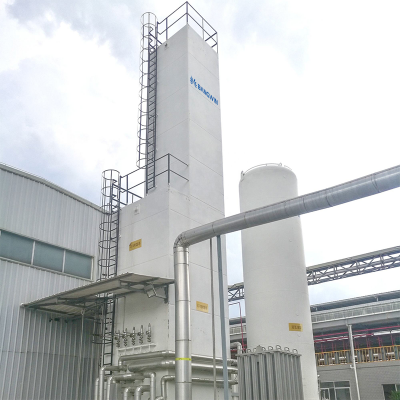
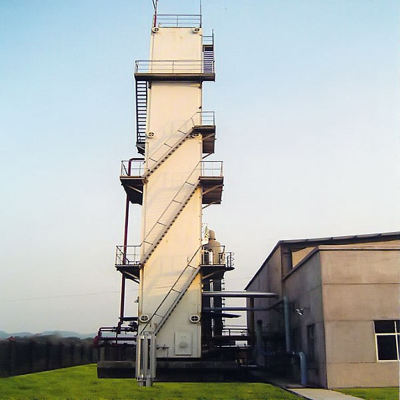
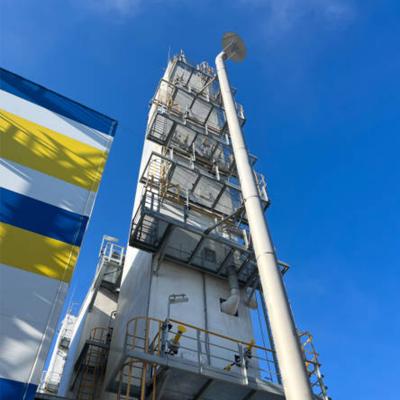
Nanjing Bang Win Gas Equipment Co., Ltd. Supplies The Source End Of Liquid Oxygen Filling Station Equipment: Cryogenic Air Separation Units That Produce Liquid Oxygen On Site, Small Units Listed Specifically For Cylinder Filling Duty Such As The Kdon(Ar)-800/20Y Model, Psa Oxygen Plants Published With a Cylinder Filling Rate Table, And Oil-Free Oxygen Booster Compressors For Pressure Boosting.
For a Filling Project, That Mix Means Two Things. The Oxygen Source And The Compressor Can Come From One Supplier, Which Simplifies The Guarantee Boundary. The Station Balance Of Plant, The Tank, The Pump, The Vaporiser, The Panel And The Cylinder Fleet Need To Be Named Explicitly In The Same Enquiry, Because They Are Not All Published As Catalogue Items Today.
Company Performance Claims Found On The Sampled Pages, Including Energy Savings Of 10% To 20% Against Conventional Designs, Service Life Statements And The Wear-Part Intervals Quoted Above, Are Manufacturer Statements And Are Labelled As Such Here. Ask For Guarantee Basis, a Reference Filling Station You Can Telephone, And The Priced Spares List Before You Build a Business Case. [Internal Link Suggestion: Contact Page -> Confirm Target Url Before Publishing]
Yes. A Storage Tank, a Cryogenic Pump And a Vaporiser Make a Station Independent Of An On-Site Air Separation Unit. The Trade-Off Is Delivered Liquid Cost And Supply Security Instead Of Capital And Electricity, So The Decision Depends On Your Volumes.
It Depends On Source Flow, Cylinder Size And Shift Hours Rather Than On The Station Label. Using The Published Filling-Rate Basis, a 50 Nm³/h Source At 6 m³ Per Cylinder Gives Roughly 66 Cylinders Per Eight-Hour Shift Before Losses, And Real Accepted Output Will Be Lower.
High-Pressure Oxygen Cylinders Are Commonly Filled To 150 Bar, And The Published Booster Table States a 15 Mpa Outlet. Where a Market Requires 200 Bar, Ask For The Matching Machine, Relief Settings And Cylinder Rating Instead Of Assuming The Same Equipment Applies.
Oil And Grease In An Oxygen System Can Ignite Under Pressure. That Is Why Components Are Degreased Before Assembly, Why The Wetted Path Is Inspected At Commissioning, And Why The Cleanliness Record Belongs In The Handover Pack.
Yes, And The Manufacturer Publishes a Psa Range With Cylinders Per Eight Hours For Two Cylinder Sizes. Purity Is Typically 90% To 96%, Which Suits Industrial Duties; Medical Filling Normally Requires a Higher Grade And The Applicable Pharmacopoeial Route.
Electrical Supply For The Pump And Compressor With Starting Headroom, Cooling Water Where The Compressor Is Water-Cooled, Ventilation And a Drained Or Cooled Filling Area, Water Spray Or Another Cylinder Cooling Method, And a Clean Air Supply For Instruments.
Compare Accepted Cylinders Per Shift From The Commissioning Log Against The Sizing Calculation, With Cylinder Size, Fill Pressure, Purity And Shift Hours Recorded. A Station That Misses The Figure Is a Data Problem First And a Machine Problem Second.
Buy The Station As Ten Items, Prove Cleanliness And Relief Settings Before Throughput, And Size From Accepted Cylinders Per Shift Rather Than Nameplate Flow.
The Route Decision Follows The Same Logic. Pump Liquid Where Purity And Volume Matter And Liquid Is Available. Boost Gas Where a Psa Or Cryogenic Gas Source Already Exists And The Cylinder Grade Accepts It. Then Size The Source In Volumetric Terms, Which Is Exactly What The Published Filling-Rate Table Does, And Discount It For Residuals, Purging, Rejected Fills And Downtime Using Your Own Records.
Write The Enquiry As a Station List, Not a Machine Request. Name The Tank, Pump, Vaporiser, Analyser, Panel, Cylinder Cooling, Cylinders, Relief Devices, Controls And Test Kit. Ask Each Supplier To Price Every Line And To State Acceptance In Cylinders Per Shift At a Stated Purity, So Liquid Oxygen Filling Station Equipment Is Compared On Output And Safety Scope Rather Than On a Component Count.



 IPv6 rete supportata